The Position · Miami
July 22, 2026 · 5 min read

The W Is Leaving South Beach. Waldorf Astoria Is Taking Its Place.

The W South Beach closes in August and returns as the Waldorf Astoria in 2027, trading a nightclub's swagger for a name that promises to stay put.

The W Is Leaving South Beach. Waldorf Astoria Is Taking Its Place.

Start with the letter. For nearly two decades the W stood on Collins Avenue like a signature scrawled in neon, a single character that told you exactly what kind of night was on offer. On August 20, 2026, that letter comes down. When the building reopens, expected in late 2027, it will carry a name with more than a century of weight behind it: the Waldorf Astoria Miami Beach. This is the brand's debut on this stretch of sand, and the swap says more about who Miami Beach is now for than any renovation ever could.

Flags on hotels are not decoration. They are promises made to a particular kind of guest, and they are bets on which guest is coming. Marriott's W was built for the loud years, when South Beach sold velvet ropes and bottle service and the feeling that something was always about to happen at two in the morning. Hilton's Waldorf Astoria sells the opposite. It sells permanence, discretion, the sense that nothing needs to happen because you have already arrived. Reading the change is a short course in what a name actually carries.

A letter comes down

The W brand had a personality, and it was specific. It meant a DJ in the lobby, a scene at the pool, a design language of hard angles and colored light engineered for people who wanted to be seen wanting to be seen. That personality made the W South Beach one of the most recognizable party addresses in the country. It also made it a period piece. The crowd that filled those rooms is aging out or moving on, and the money replacing it does not want a soundtrack. That is the quiet violence of a conversion. The thing that made a place famous is often precisely the thing that cannot survive the rebrand.

A W does not become a Waldorf Astoria by changing the towels. The two names sit at opposite ends of what a hotel can mean. One is a verb dressed up as a hotel, all motion and appetite. The other is a proper noun that has spent a hundred years meaning old money holding still. You cannot layer the second over the first. You have to strip the building back to the sea and the light and start the story again.

What the new owners are betting on

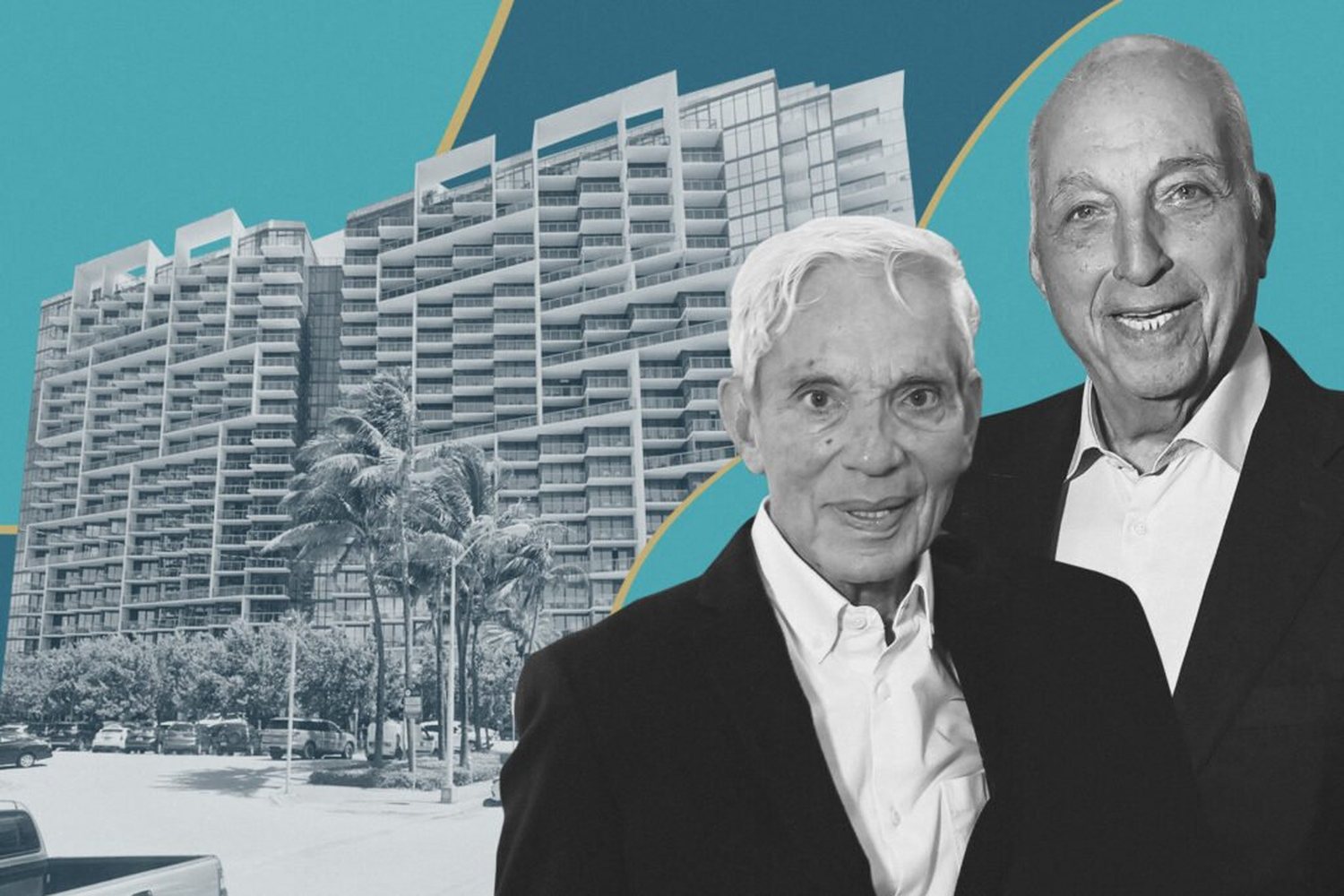
The move is not a whim from a distant corporate office. The property belongs to Reuben Brothers, the Geneva-based investment firm run by David and Simon Reuben, who bought it in 2024 for more than $400 million and have now signed a management agreement with Hilton to fly the Waldorf Astoria flag. That is the shape of the wager. You do not spend that kind of money on a beachfront trophy in order to keep chasing the same guests who made it loud. You spend it because you have read the room, and the room has changed.

Owners like the Reubens do not buy nightlife. They buy dirt, sightlines, and the certainty that a scarce address will keep appreciating no matter what the culture does next. A W lease was tied to a mood, and moods expire. A Waldorf Astoria is tied to a category that has outlasted a dozen moods. When you are protecting nine figures of oceanfront, you want the name that ages like the land, not the name that ages like a playlist.

The suites do the talking

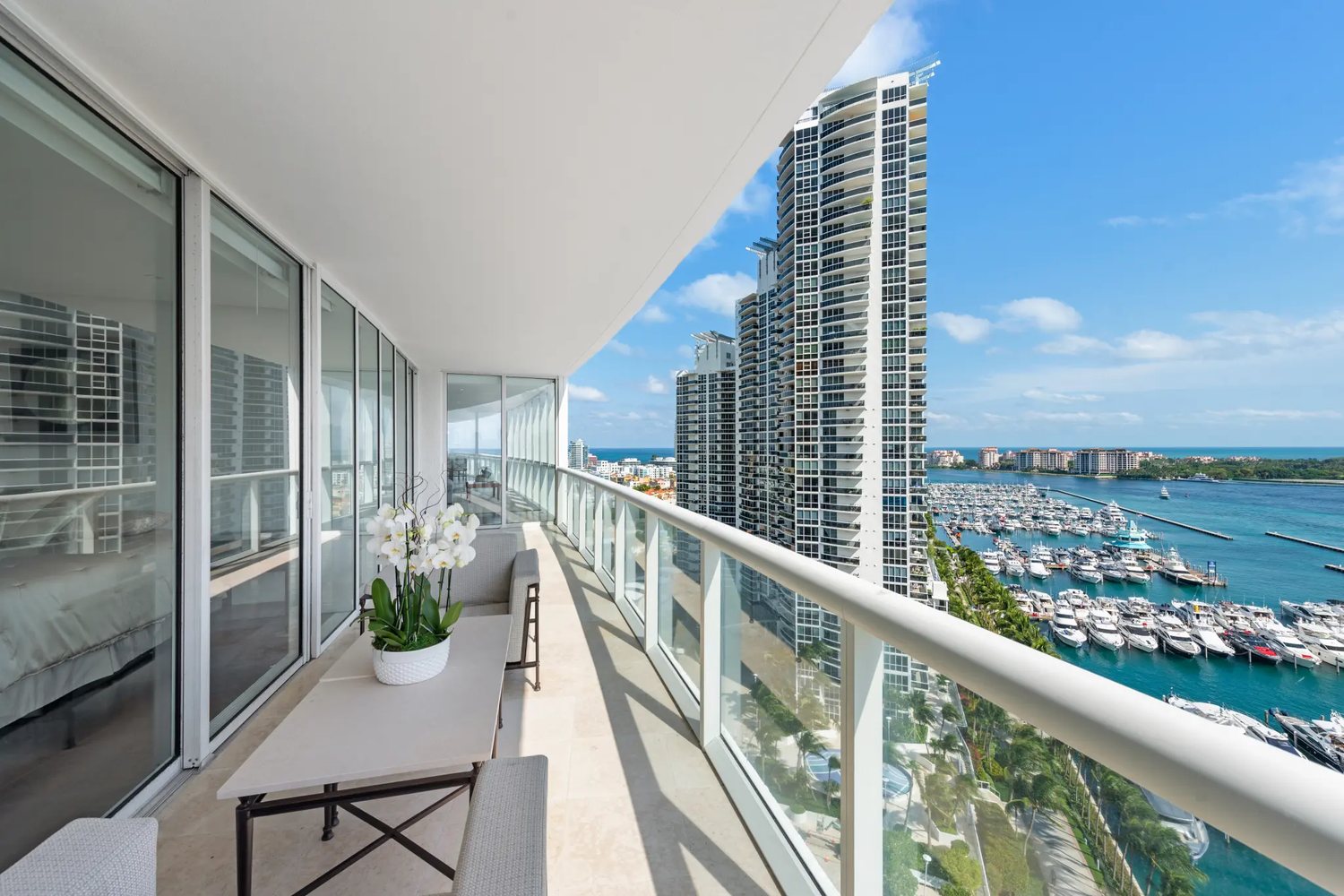
Look at what the reopened hotel promises and the strategy is written into the floor plan. There will be 348 suites, every one of them with ocean views and a balcony. Not rooms. Suites, all of them, all facing the water. That single decision tells you who is expected to walk through the door, and it is not the weekend that arrives four to a room to split the rate. It is the guest who books the whole suite because the whole suite is the point.

The rest of the redesign, led by Avenue Interior Design, follows the same logic. There is a reimagined lobby and arrival experience, because arrival is where the new brand makes its first argument. There is a new food-and-beverage program, a spa and wellness center, and a revamped 48,000-square-foot pool deck lined with private cabanas. Note the word private. The old pool sold the crowd. The new one sells the curtain you can draw against it. Wellness replaces the after-hours; the cabana replaces the dance floor. The building is learning to whisper.

Who South Beach is for now

None of this happens in isolation. Hotels do not lead a neighborhood so much as follow its money, and the money on South Beach has been quietly changing costume for years. The party era that made this district a global brand is thinning out. What has moved in behind it is wealthier, older, and more permanent, the buyer who wants a residence and a routine rather than a bender and a story. The financiers who relocated their firms during the pandemic did not come for the nightlife. They came for the tax posture and stayed for the weather, and they brought a different definition of luxury with them.

That definition is not about volume. It is about control. The new South Beach guest wants a good table without a wait, a trainer at seven, a car that is already outside. They measure a hotel by how little friction it puts between them and their day. A W was engineered to add friction on purpose, to make you feel the heat of the crowd. The Waldorf Astoria is engineered to remove it. One brand sold the scene. The other sells the exit from the scene, which is a far more expensive thing to sell.

You can see the same shift on the sidewalks and in the storefronts, in the restaurants that no longer need a rope because their prices do the sorting, in the condo towers marketed to families rather than to bachelor parties. The flag change on Collins Avenue is not the cause of any of this. It is the confirmation. When a brand as commercially careful as Hilton plants its quietest, most rarefied name here, it is telling you the demographics have already turned.

The name is the product

This is the part brand managers understand and everyone else tends to miss. In luxury hospitality the name is not a label on the product. The name is the product. Guests are not paying for square footage and thread count, both of which they could buy anywhere. They are paying for the story the name tells about them, the small social fact that they chose the Waldorf Astoria over everything else on the beach. That story is the asset, and it is more durable than any renovation.

Hilton is betting the story translates to the sand. "It will bring a new chapter of elegance, one that honors the destination's cultural energy, coastal beauty and iconic sense of style," says Dino Michael, who leads Hilton's luxury brands. Read past the polish and the strategy is plain. The word doing the work is chapter. A W was an event, a thing that happened to you for a weekend. A chapter is a claim on time. It presumes there will be more of them, that the guest will return, that this is a relationship and not a fling.

What a flag change signals

A flag change is one of the clearest signals a place can send about its own ambitions, precisely because it is so expensive to send falsely. You cannot fake a Waldorf Astoria. The name comes with standards a party hotel cannot meet, which is why the building has to close for more than a year to earn it. When an owner and an operator agree to take a working asset dark for that long, they are stating in the most costly language available that the old identity was worth less than the new one.

For Miami Beach, the message lands somewhere between flattering and final. Flattering, because the district has graduated into the tier of places where the world's oldest luxury names want a permanent address. Final, because the graduation closes a door. The version of South Beach that ran on noise and appetite, that a single neon letter summed up so perfectly, is being quietly retired along with the sign.

Something is gained and something is lost, and both are real. What is gained is stability, money that stays, a beach that behaves like a blue-chip asset. What is lost is a certain electric disorder, the sense that anyone might walk in and anything might follow. The Waldorf Astoria will be beautiful and it will be permanent, and permanence has always been what real money wanted from the sea. But the letter meant something too, and when it comes down in August it will take an era down with it. Miami Beach is not becoming less itself. It is deciding, at last, which self to keep.
The Position · Miami

The W Is Leaving South Beach. Waldorf Astoria Is Taking Its Place.

The W South Beach closes in August and returns as the Waldorf Astoria in 2027, trading a nightclub's swagger for a name that promises to stay put.

The W Is Leaving South Beach. Waldorf Astoria Is Taking Its Place.

Start with the letter. For nearly two decades the W stood on Collins Avenue like a signature scrawled in neon, a single character that told you exactly what kind of night was on offer. On August 20, 2026, that letter comes down. When the building reopens, expected in late 2027, it will carry a name with more than a century of weight behind it: the Waldorf Astoria Miami Beach. This is the brand's debut on this stretch of sand, and the swap says more about who Miami Beach is now for than any renovation ever could.

Flags on hotels are not decoration. They are promises made to a particular kind of guest, and they are bets on which guest is coming. Marriott's W was built for the loud years, when South Beach sold velvet ropes and bottle service and the feeling that something was always about to happen at two in the morning. Hilton's Waldorf Astoria sells the opposite. It sells permanence, discretion, the sense that nothing needs to happen because you have already arrived. Reading the change is a short course in what a name actually carries.

A letter comes down

The W brand had a personality, and it was specific. It meant a DJ in the lobby, a scene at the pool, a design language of hard angles and colored light engineered for people who wanted to be seen wanting to be seen. That personality made the W South Beach one of the most recognizable party addresses in the country. It also made it a period piece. The crowd that filled those rooms is aging out or moving on, and the money replacing it does not want a soundtrack. That is the quiet violence of a conversion. The thing that made a place famous is often precisely the thing that cannot survive the rebrand.

A W does not become a Waldorf Astoria by changing the towels. The two names sit at opposite ends of what a hotel can mean. One is a verb dressed up as a hotel, all motion and appetite. The other is a proper noun that has spent a hundred years meaning old money holding still. You cannot layer the second over the first. You have to strip the building back to the sea and the light and start the story again.

What the new owners are betting on

The move is not a whim from a distant corporate office. The property belongs to Reuben Brothers, the Geneva-based investment firm run by David and Simon Reuben, who bought it in 2024 for more than $400 million and have now signed a management agreement with Hilton to fly the Waldorf Astoria flag. That is the shape of the wager. You do not spend that kind of money on a beachfront trophy in order to keep chasing the same guests who made it loud. You spend it because you have read the room, and the room has changed.

Owners like the Reubens do not buy nightlife. They buy dirt, sightlines, and the certainty that a scarce address will keep appreciating no matter what the culture does next. A W lease was tied to a mood, and moods expire. A Waldorf Astoria is tied to a category that has outlasted a dozen moods. When you are protecting nine figures of oceanfront, you want the name that ages like the land, not the name that ages like a playlist.

The suites do the talking

Look at what the reopened hotel promises and the strategy is written into the floor plan. There will be 348 suites, every one of them with ocean views and a balcony. Not rooms. Suites, all of them, all facing the water. That single decision tells you who is expected to walk through the door, and it is not the weekend that arrives four to a room to split the rate. It is the guest who books the whole suite because the whole suite is the point.

The rest of the redesign, led by Avenue Interior Design, follows the same logic. There is a reimagined lobby and arrival experience, because arrival is where the new brand makes its first argument. There is a new food-and-beverage program, a spa and wellness center, and a revamped 48,000-square-foot pool deck lined with private cabanas. Note the word private. The old pool sold the crowd. The new one sells the curtain you can draw against it. Wellness replaces the after-hours; the cabana replaces the dance floor. The building is learning to whisper.

Who South Beach is for now

None of this happens in isolation. Hotels do not lead a neighborhood so much as follow its money, and the money on South Beach has been quietly changing costume for years. The party era that made this district a global brand is thinning out. What has moved in behind it is wealthier, older, and more permanent, the buyer who wants a residence and a routine rather than a bender and a story. The financiers who relocated their firms during the pandemic did not come for the nightlife. They came for the tax posture and stayed for the weather, and they brought a different definition of luxury with them.

That definition is not about volume. It is about control. The new South Beach guest wants a good table without a wait, a trainer at seven, a car that is already outside. They measure a hotel by how little friction it puts between them and their day. A W was engineered to add friction on purpose, to make you feel the heat of the crowd. The Waldorf Astoria is engineered to remove it. One brand sold the scene. The other sells the exit from the scene, which is a far more expensive thing to sell.

You can see the same shift on the sidewalks and in the storefronts, in the restaurants that no longer need a rope because their prices do the sorting, in the condo towers marketed to families rather than to bachelor parties. The flag change on Collins Avenue is not the cause of any of this. It is the confirmation. When a brand as commercially careful as Hilton plants its quietest, most rarefied name here, it is telling you the demographics have already turned.

The name is the product

This is the part brand managers understand and everyone else tends to miss. In luxury hospitality the name is not a label on the product. The name is the product. Guests are not paying for square footage and thread count, both of which they could buy anywhere. They are paying for the story the name tells about them, the small social fact that they chose the Waldorf Astoria over everything else on the beach. That story is the asset, and it is more durable than any renovation.

Hilton is betting the story translates to the sand. "It will bring a new chapter of elegance, one that honors the destination's cultural energy, coastal beauty and iconic sense of style," says Dino Michael, who leads Hilton's luxury brands. Read past the polish and the strategy is plain. The word doing the work is chapter. A W was an event, a thing that happened to you for a weekend. A chapter is a claim on time. It presumes there will be more of them, that the guest will return, that this is a relationship and not a fling.

What a flag change signals

A flag change is one of the clearest signals a place can send about its own ambitions, precisely because it is so expensive to send falsely. You cannot fake a Waldorf Astoria. The name comes with standards a party hotel cannot meet, which is why the building has to close for more than a year to earn it. When an owner and an operator agree to take a working asset dark for that long, they are stating in the most costly language available that the old identity was worth less than the new one.

For Miami Beach, the message lands somewhere between flattering and final. Flattering, because the district has graduated into the tier of places where the world's oldest luxury names want a permanent address. Final, because the graduation closes a door. The version of South Beach that ran on noise and appetite, that a single neon letter summed up so perfectly, is being quietly retired along with the sign.

Something is gained and something is lost, and both are real. What is gained is stability, money that stays, a beach that behaves like a blue-chip asset. What is lost is a certain electric disorder, the sense that anyone might walk in and anything might follow. The Waldorf Astoria will be beautiful and it will be permanent, and permanence has always been what real money wanted from the sea. But the letter meant something too, and when it comes down in August it will take an era down with it. Miami Beach is not becoming less itself. It is deciding, at last, which self to keep.

← All stories