The Position · Commerce
July 8, 2026 · 5 min read

The Two Months Miami's Most Expensive Rooms Go On Sale

Every July and August, the spas that quote winter prices with a straight face put themselves on discount, citywide, at the same time. Here is how Miami Spa Months actually works, why it exists, and why it is the rare sale that makes luxury look better.

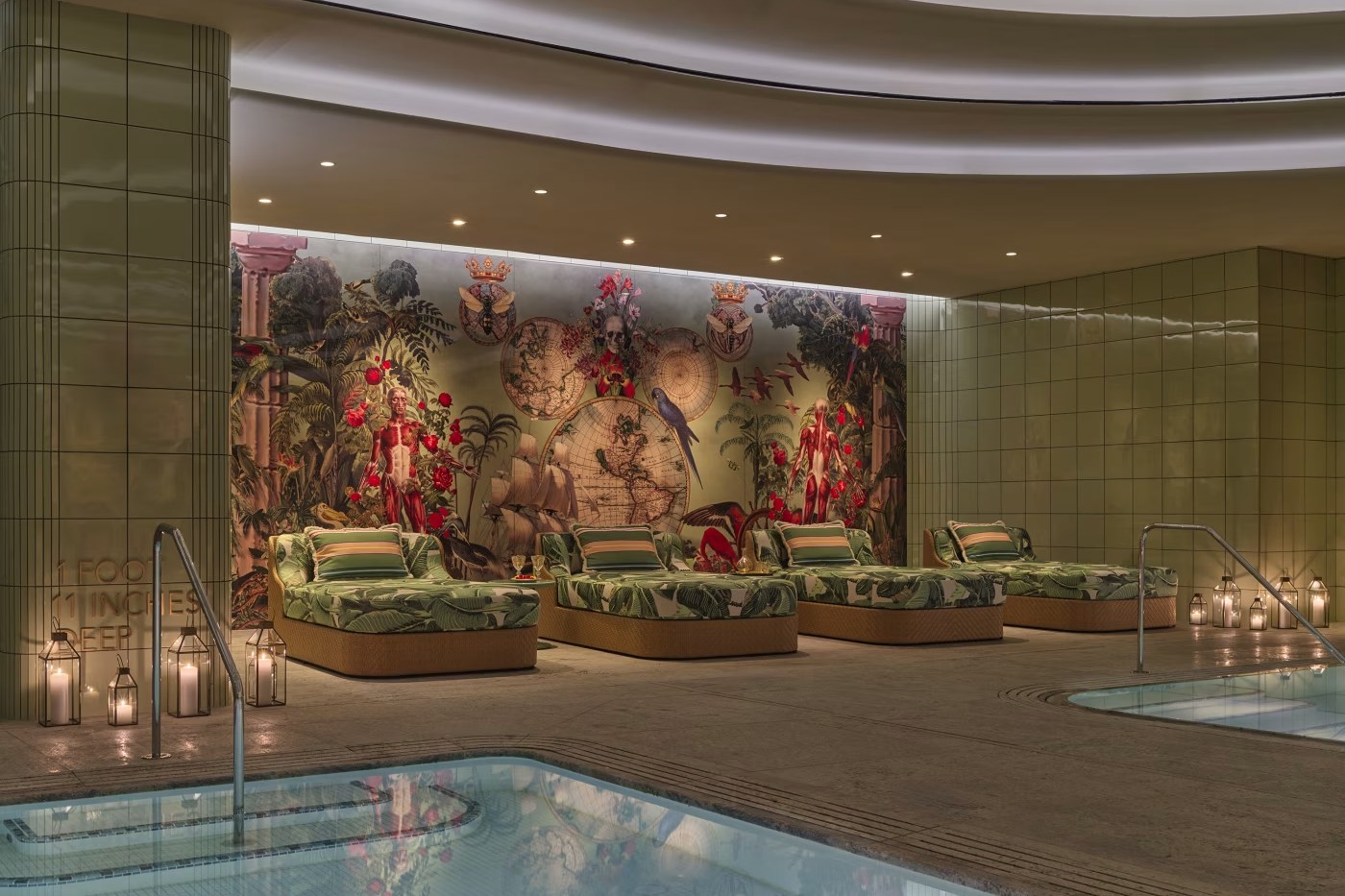
Luxury spa loungers beside an indoor pool

Right now, some of the most exclusive rooms in this city cost half of what they cost in February. Marble hammams on Collins Avenue. Rooftop treatment suites above Brickell. Hotel spas where the robe alone feels like a tax bracket. Every summer, Miami Spa Months puts dozens of them on sale at once, with treatments starting around $109, and the appointment books fill anyway.

If you live here and have never used it, that is the first thing to fix. The program typically runs July through August across Miami and Miami Beach, the participating list reads like a tour of hotels you have only seen from the valet line, and the menus are built specifically for the event. It is one of the best consumer windows this city offers all year.

The more interesting story is why it exists at all, and why it works without making a single one of those spas look cheap.

The season nobody advertises

Miami hospitality has a shape. The winter is the harvest: full hotels, full restaurants, full treatment rooms, visitors who do not read the right column of the menu. Then summer arrives, the humidity does its work, and the same rooms that had waitlists in January sit quiet on a Tuesday afternoon.

An empty treatment room is the most perishable product in the city. The therapist is scheduled, the marble is polished, the hour passes whether anyone books it or not. Unsold time is worth exactly zero the moment it ends. Spa Months exists because the smartest operators in hospitality understood something years ago: it is better to sell the quiet season at a designed discount than to let it evaporate at full price.

The same logic built Miami Spice for restaurants. The slow months are not a problem to hide. They are inventory to package.

Why the discount does not cheapen

Here is the part that should interest anyone who runs a business where image matters. A luxury spa that independently slashed prices forty percent would wound itself. Customers read price as a signal, and an unexplained drop signals trouble. Yet the same spa inside Spa Months loses nothing. The difference is structure, and the structure has four load-bearing walls.

The discount has a name. It is an event, not a markdown. The occasion absorbs the price cut so the brand does not have to.

The window is fixed. Two months, then it closes, every year, on schedule. Nobody learns to wait for random codes, because there are none. Scarcity survives.

The offer is redesigned, not crossed out. Spas build special menus for the event. You are not buying February's treatment cheaper. You are buying a summer edition that happens to cost less. Full price never loses face.

And the whole city jumps together. One business discounting is a confession. A hundred discounting in formation is a season. The collective frame turns a price cut into a ritual, and rituals are the opposite of desperation.

Use it, and learn from it

For readers, the assignment is simple. The participating spa list is public on the official Miami and Miami Beach tourism site, the good slots go first, and August afternoons book out faster than July's. Go experience a room you would never pay winter prices for. That is the entire point of the window.

For anyone who owns a business, the assignment is better. Spa Months is a free masterclass running in public every summer. It shows that premium and discount can share a room, but only when the discount arrives with an occasion, a deadline, a redesigned offer, and company. If your slow season is quietly bleeding you every year, the answer is not a coupon. It is a calendar.

The marble does not get cheaper in July. Just the hour. There is a difference, and every luxury brand in Miami is spending two months proving it.
The Position · Commerce

The Two Months Miami's Most Expensive Rooms Go On Sale

Every July and August, the spas that quote winter prices with a straight face put themselves on discount, citywide, at the same time. Here is how Miami Spa Months actually works, why it exists, and why it is the rare sale that makes luxury look better.

Luxury spa loungers beside an indoor pool

Right now, some of the most exclusive rooms in this city cost half of what they cost in February. Marble hammams on Collins Avenue. Rooftop treatment suites above Brickell. Hotel spas where the robe alone feels like a tax bracket. Every summer, Miami Spa Months puts dozens of them on sale at once, with treatments starting around $109, and the appointment books fill anyway.

If you live here and have never used it, that is the first thing to fix. The program typically runs July through August across Miami and Miami Beach, the participating list reads like a tour of hotels you have only seen from the valet line, and the menus are built specifically for the event. It is one of the best consumer windows this city offers all year.

The more interesting story is why it exists at all, and why it works without making a single one of those spas look cheap.

The season nobody advertises

Miami hospitality has a shape. The winter is the harvest: full hotels, full restaurants, full treatment rooms, visitors who do not read the right column of the menu. Then summer arrives, the humidity does its work, and the same rooms that had waitlists in January sit quiet on a Tuesday afternoon.

An empty treatment room is the most perishable product in the city. The therapist is scheduled, the marble is polished, the hour passes whether anyone books it or not. Unsold time is worth exactly zero the moment it ends. Spa Months exists because the smartest operators in hospitality understood something years ago: it is better to sell the quiet season at a designed discount than to let it evaporate at full price.

The same logic built Miami Spice for restaurants. The slow months are not a problem to hide. They are inventory to package.

Why the discount does not cheapen

Here is the part that should interest anyone who runs a business where image matters. A luxury spa that independently slashed prices forty percent would wound itself. Customers read price as a signal, and an unexplained drop signals trouble. Yet the same spa inside Spa Months loses nothing. The difference is structure, and the structure has four load-bearing walls.

The discount has a name. It is an event, not a markdown. The occasion absorbs the price cut so the brand does not have to.

The window is fixed. Two months, then it closes, every year, on schedule. Nobody learns to wait for random codes, because there are none. Scarcity survives.

The offer is redesigned, not crossed out. Spas build special menus for the event. You are not buying February's treatment cheaper. You are buying a summer edition that happens to cost less. Full price never loses face.

And the whole city jumps together. One business discounting is a confession. A hundred discounting in formation is a season. The collective frame turns a price cut into a ritual, and rituals are the opposite of desperation.

Use it, and learn from it

For readers, the assignment is simple. The participating spa list is public on the official Miami and Miami Beach tourism site, the good slots go first, and August afternoons book out faster than July's. Go experience a room you would never pay winter prices for. That is the entire point of the window.

For anyone who owns a business, the assignment is better. Spa Months is a free masterclass running in public every summer. It shows that premium and discount can share a room, but only when the discount arrives with an occasion, a deadline, a redesigned offer, and company. If your slow season is quietly bleeding you every year, the answer is not a coupon. It is a calendar.

The marble does not get cheaper in July. Just the hour. There is a difference, and every luxury brand in Miami is spending two months proving it.

← All stories