 Variety Partners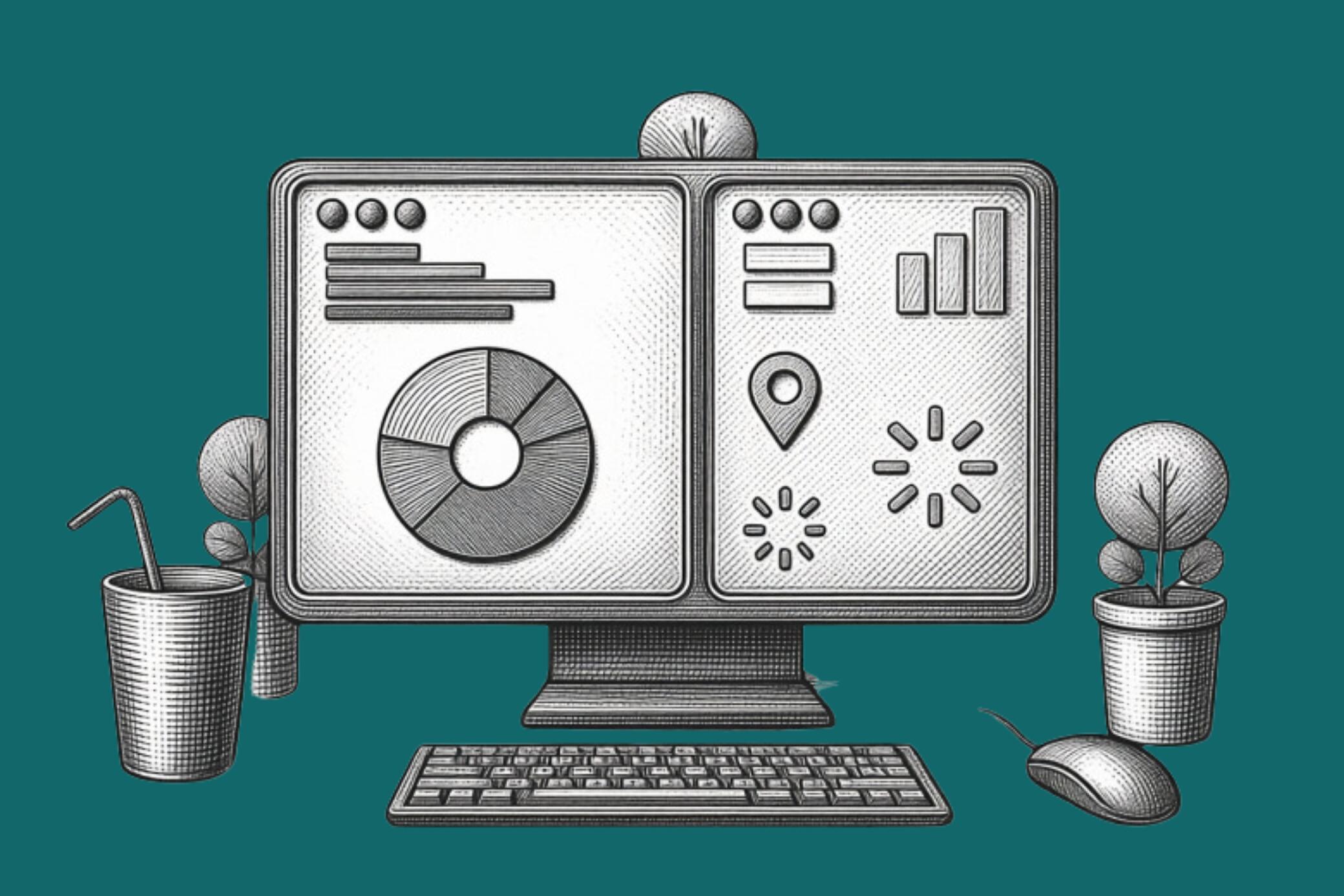
For a long time, running a company was a lot like flying by feel. The founder knew the customer, sensed where the market was drifting, trusted the view out the window, and made the call fast. Plenty of real businesses got built exactly that way, on nerve and a good gut.
Then the weather changed. Customers scatter across more channels than anyone can watch. Ad costs swing by the week. Platforms rewrite the rules overnight. Competitors materialize out of categories that had nothing to do with you a year ago. What a buyer does on any given day gets pushed by culture, convenience, creators, search, reviews, and timing all at once.
Flying by feel still has its place, but the view out the window stopped being enough. The operators gaining ground are not throwing out instinct. They are giving it instruments. They pair the gut read with real measurement and ambition with the ability to see weather coming before it arrives. In a market that moves as fast as Miami's, where perception can flip in a week, that combination is the whole edge. The companies that truly know their numbers are not just filing reports. They are learning to see around corners.
Instinct Built It. Instruments Scale It.
Every strong company carries a founder's instinct in its DNA. It shaped the original product, the service, the voice, the read on an opening in the market, and it is the reason the business exists at all.
The trouble starts as it grows: more customers, more channels, more people, and more moving parts than instinct can track. The intuition that explained everything at ten customers goes quiet at ten thousand.
A restaurant group spreading across the city cannot run on the warm sense that the concept is landing. A medical practice pouring money into digital ads needs to know which channels actually produce qualified inquiries. A professional firm cannot keep treating every lead source as equal. Growth demands a tighter link between effort and outcome, and that is exactly where better decision systems start to earn their place. The sharpest operators are not chasing data because it is in fashion. They are using it because guessing has simply gotten too expensive.
The Problem Was Never a Shortage of Data
No modern business is starving for information. Website traffic, social engagement, ad reports, CRM activity, search rankings, review trends, booking behavior, customer feedback, sales figures: it is all sitting there in some form.
The trouble is that access is not the same thing as clarity. Plenty of companies are drowning in dashboards and still unsure what to do next. They know how many people landed on the site, not whether any of it mattered. They know a campaign drew attention, not whether it moved revenue. They know leads arrived, not why some closed and others evaporated.
Numbers only start working once they are read through the lens of strategy. The useful question was never simply what happened. It is what the figures quietly reveal about positioning, demand, trust, friction, and where the next opening sits. Sorting one from the other is the line between plain reporting and actual intelligence.
Benchmarks Change the Whole Conversation
Internal numbers can tell a company whether something moved. They cannot, on their own, say whether it is any good.
That is the case for benchmarks. A business can feel great because engagement ticked up from last month, while competitors pull away faster and it slips behind without noticing. A site can seem to draw decent traffic and still trail the conversion bar the market quietly sets. Stripped of outside context, companies routinely misjudge their own performance. Benchmarks turn a lonely number into perspective, showing whether a business is ahead, behind, or merely average, and whether a weak spot is creative, operational, or category wide. Around Brickell, where sophisticated customers and well funded rivals crowd the same attention, that perspective is worth a great deal. A company is not only racing its own past results. It is racing the pace of the street around it.
Marketing Is Turning Into Capital Allocation
One of the cleanest shifts of the year is that marketing now gets judged the way an investment does.
The strongest companies have stopped asking only whether a campaign looked sharp, gathered views, or stirred up activity. They are asking where each dollar buys the most leverage. That reframes everything. Media spend becomes a question of allocation. Content becomes an asset that keeps paying. Search visibility becomes infrastructure. Brand perception becomes pricing power. Retention becomes margin protection. Measurement becomes leadership intelligence.
Treat marketing as scattered activity and it gets easy to bleed money. Treat it as one connected growth system and every call gets more disciplined. That is where companies begin to separate from one another. They quit chasing every trend and start learning which channels actually feed their model. They stop counting attention and start weighing its quality. The winners are rarely the ones spending the most. They are usually the ones spending with the most precision.
The Dashboard Is Really an Instrument Panel
A dashboard gets mistaken for a marketing report. In practice it can be one of the most important instruments a leader flies by.
A good one does not just tidy information. It shows the live relationship between brand, demand, operations, and revenue. It can reveal visibility climbing while conversion sags, inquiries rising while follow up drags, and which campaigns build momentum versus which only make noise. It can pinpoint whether customers arrive through search, social, referral, press, or paid. More than that, it changes when decisions get made. Instead of waiting for the quarter to close to understand what happened, leaders can adjust while the opportunity is still open. Instead of arguing opinions, a team can work from one shared picture of reality. Instead of running growth as a string of guesses, the business builds a steadier rhythm. The panel is not valuable because it looks impressive. It is valuable because it cuts confusion, and confusion is one of the most expensive things a company quietly pays for.
AI Speeds Up the Rhythm, Not the Judgment
Artificial intelligence is making it far easier to spot patterns, summarize performance, surface opportunities, personalize outreach, forecast behavior, and hand off repetitive work. For smaller and midsize operators, that opens a level of analysis that used to demand big teams and expensive infrastructure.
But AI does not retire the need for strategy. It raises the value of it. As the tools get easier to reach, the advantage slides toward the companies that know what to ask, what to measure, what to ignore, and how to act on what comes back. AI supplies the speed; leadership still sets the heading. The businesses that gain most will be the ones folding it into how they decide, serve, operate, and grow, with real discipline. Seen that way, AI is less a passing tech trend and more a management advantage.
Clarity Has Become Its Own Luxury
Luxury usually gets discussed through aesthetics, price, exclusivity, and service. In a modern operation, clarity has quietly become a luxury of its own.
A clear business carries itself with more confidence. A clear brand reads as more premium. A clear customer journey feels more trustworthy. A clear strategy hands a team something concrete to execute. The reverse is just as true. When a business is murky, customers sense it, teams feel it, marketing mirrors it, and operations end up absorbing it, until growth gets harder because every decision floats free of the bigger picture. The companies gaining ground are building clarity into how they run. They know who they are trying to reach, which position they intend to own, which channels carry weight, where results are coming from, and what to fix next. They are not reacting to the market every morning. They are reading it.
From Data to Judgment
The real edge was never the dashboard. It is the discipline to interpret what the business is telling you.
A company can own spotless reports, slick visuals, and endless metrics and still decide badly if none of it connects to strategy. The numbers have to reveal something usable: where attention originates, where trust leaks away, where money burns, and where the market is quietly pointing next. That gap, between measuring something and understanding it, is the one that decides outcomes.
In a market that can turn on a dime like Miami's, the operators with the clearest read of their own performance move with the most nerve. They know when a campaign is generating real demand and when it is only generating noise. They know when a lead source deserves scaling, when the experience needs less friction, and when the company has outgrown the systems that once held it up. That is where growth stops being reactive.
These companies are not waiting for the market to explain itself in hindsight. They are catching the signals earlier, adjusting faster, and deciding with more context than rivals still flying on instinct alone. Intelligence has become a leadership function rather than a reporting one. The businesses that absorb that will not merely track performance. They will turn information into timing, timing into leverage, and leverage into growth.